The Situation – A Multi-Million Dollar Countdown
It was October 2024. A leading Chinese electric vehicle battery manufacturer had just secured a massive contract to supply batteries for a European automaker's new EV model. The contract had one non-negotiable condition: first production batch must ship in February 2025.
There was just one problem.
The new battery assembly line that would produce these batteries—a $50 million investment—was still on the drawing board.
"We need this line operational in 21 days," the plant manager told us during our first call. "Not 30. Not 45. Twenty-one days from design finalization to production start. Our conventional steel fabricators are quoting us 6 to 8 weeks just for the structural frames alone."
The Challenge – Three Weeks to Build a Production Line
Requirement The Reality The Gap
Construction Timeline 21 days Steel fabrication alone: 6–8 weeks
Structural Complexity 50+ modular workstations, conveyor supports, safety guarding, control cabinets On-site fabrication would require 15+ certified welders
Design Uncertainty Layout still being optimized Steel = irreversible once welded; any change = scrap and rework
Precision ±0.5mm alignment for robotic assembly Field-fabricated steel cannot guarantee this tolerance
Budget Frame costs: under $500,000 Each day of delay = $110,000 in lost revenue
The math was unforgiving: if the line opened even 10 days late, the delay cost would exceed $1 million. If it opened 21 days late—the time our solution could save—the cost would be **$2.3 million in lost revenue and potential contract penalties**.
Our Solution – Pre-Fabricated Aluminum Framing
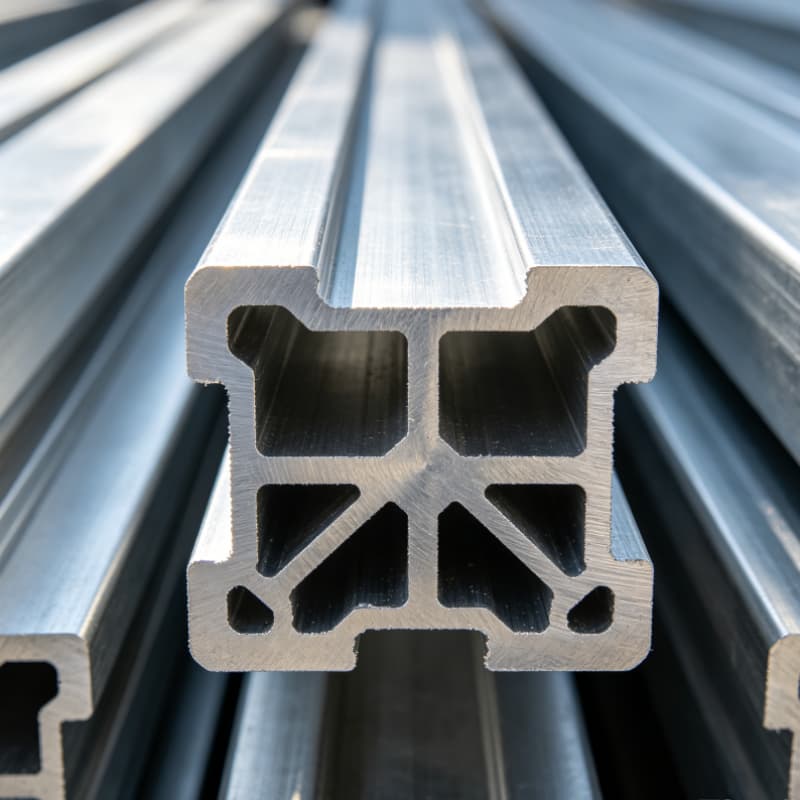
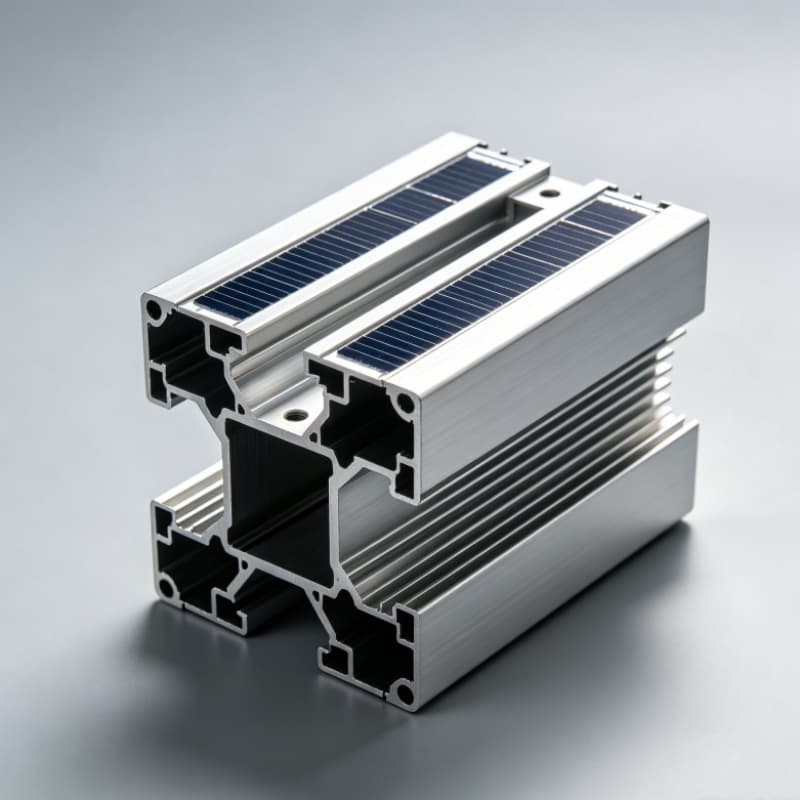
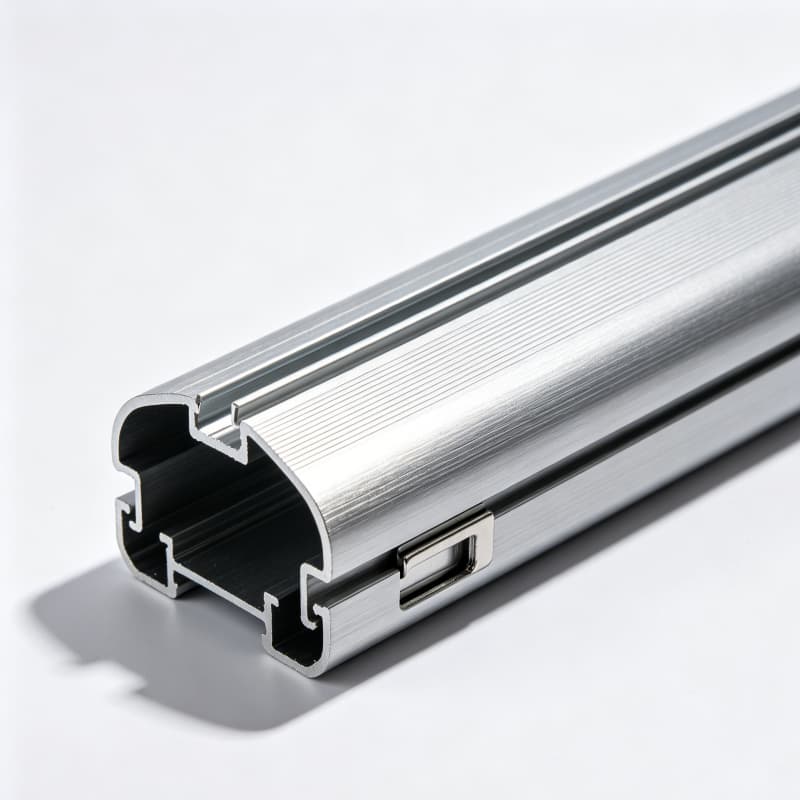
We proposed a solution that seemed almost too simple: pre-fabricated industrial aluminum framing—designed, cut, drilled, and packaged to exact specifications, ready for assembly immediately upon arrival.
Phase 1: Collaborative Design (Days 1–3)
Our engineering team worked side-by-side with the battery plant's layout engineers. Within 72 hours, we had:
Full 3D CAD models of all frame structures
Detailed Bill of Materials (BOM) with 100% part traceability
Assembly sequence drawings for each workstation
Phase 2: Precision Fabrication (Days 4–15)
At our Thailand facility, production began immediately:
CNC cutting to ±0.3mm accuracy
CNC drilling and tapping for all connection points, DIN rails, and accessory mounts
Slot machining for custom panel and bracket locations
Component bagging – each workstation's parts packed in labeled kits
Fabrication Output Quantity
Aluminum profiles cut 12,000+ pieces
Drilled/tapped holes 24,000+
Workstation frames 52 units
Conveyor support frames 18 units
Safety guarding frames 32 units
Control cabinet frames 8 units
Phase 3: Kitting and Shipping (Days 16–17)
Each of the 110 individual frame assemblies was packed in its own labeled box with:
Pre-cut profiles and connectors
Assembly instructions and torque specifications
All necessary hardware and fasteners
5% spare parts for every component
Phase 4: On-Site Assembly (Days 18–21)
Three of our assembly technicians arrived at the plant. They worked alongside the plant's internal team, providing:
Assembly supervision and training
Alignment and leveling support
Quality verification before equipment installation
The Results – Delivered 2 Days Ahead of Schedule
On Day 19 – two days ahead of the 21-day deadline – the final aluminum frame was assembled. The robotics team began installing equipment on Day 20. On Day 21, the line produced its first test battery.
Metric Steel Solution Our Aluminum Solution Difference
Design-to-production time 6–8 weeks 21 days Saved 3–5 weeks
On-site labor 15+ welders, 10+ days 6 assemblers, 4 days Reduced 80%
Material reusability 0% (welded) 100% (bolted) Future-proof
Final cost $480,000 $445,000 $35,000 savings
Delay cost avoided N/A $2.3 million $2.3 million saved
The Customer's Words
"I'll be honest—I was skeptical at first. I'd never used aluminum framing for a full production line. But after seeing the speed of assembly, the precision of every component, and how easily we can reconfigure sections, I'm a convert. We're already planning our next two lines—and guess what we're specifying?"
— Plant Manager, EV Battery Manufacturer
Lessons Learned – A Blueprint for Rapid Production Launches
This project taught us something important: in industries where speed-to-market is measured in weeks, not months, pre-fabricated aluminum framing is no longer a "nice to have"—it's a strategic necessity.
For the EV battery plant, the 21-day delivery:
Protected a $50 million capital investment from delay-related losses
Enabled first production before the contract deadline, securing the European partnership
Created a flexible production environment that can be reconfigured as battery technology evolves



Leave A Message
Scan to Wechat :


 Product categories