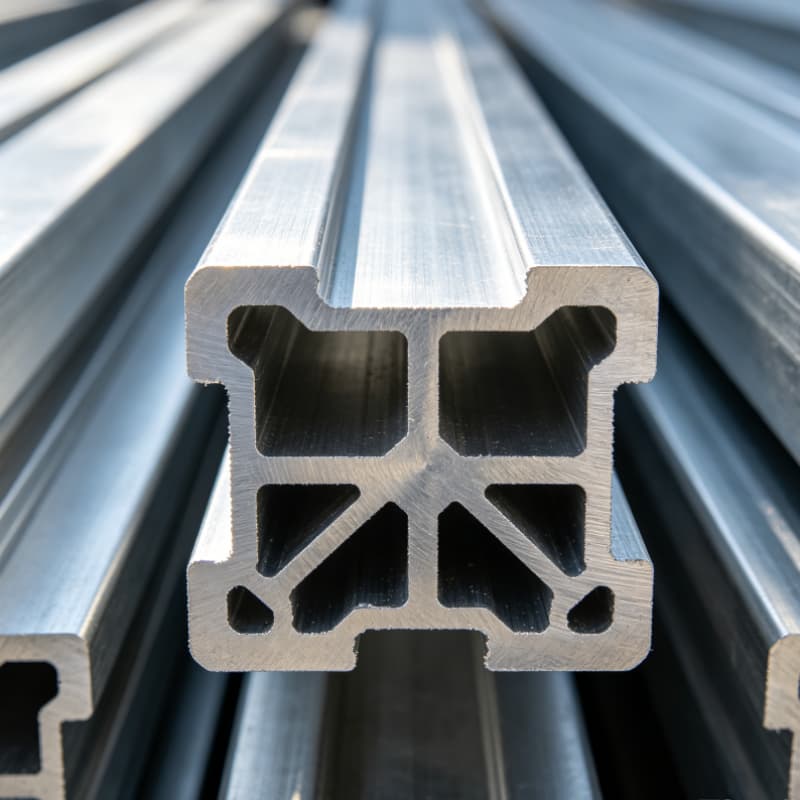
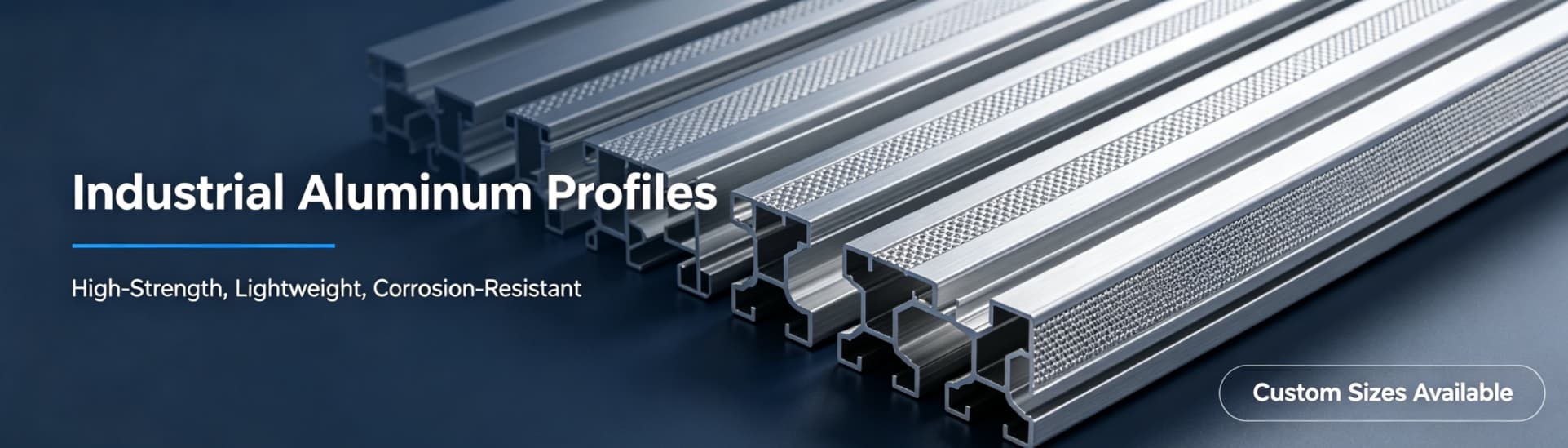
When designing a solar installation, material choice directly impacts cost, performance, and longevity. While steel has traditionally been used in structural applications, aluminum offers distinct advantages for photovoltaic systems that make it the superior choice for mounting structures and frames.
Item No :
text1Order(MOQ) :
text2Aluminum vs. Steel for Solar Applications:
Characteristic Aluminum (6000 Series) Steel
Weight Lightweight (2.7g/cm³) – ~60% lighter than steel Heavy – increases foundation and transport costs
Corrosion Resistance Naturally forms protective oxide layer; anodized/powder-coated options available Requires galvanization or coating; corrosion at cut edges is a concern
Thermal Compatibility Elastic modulus (69GPa) matches PV glass, reducing stress and breakage risk Higher stiffness; differential expansion with glass can cause micro-cracks
Installation Efficiency Easy to handle, cut, and assemble; compatible with click-and-connect systems Requires welding or bolting; heavier components slow installation
Recyclability 100% recyclable; recycling energy is only 3% of primary production Recyclable, but with higher energy requirements
Service Life 25+ years, matching panel lifespan Prone to corrosion over time, may require maintenance or replacement
Cost Higher upfront cost, but lower total cost of ownership due to longevity and reduced installation costs Lower upfront cost; higher long-term maintenance and replacement costs
The Takeaway:
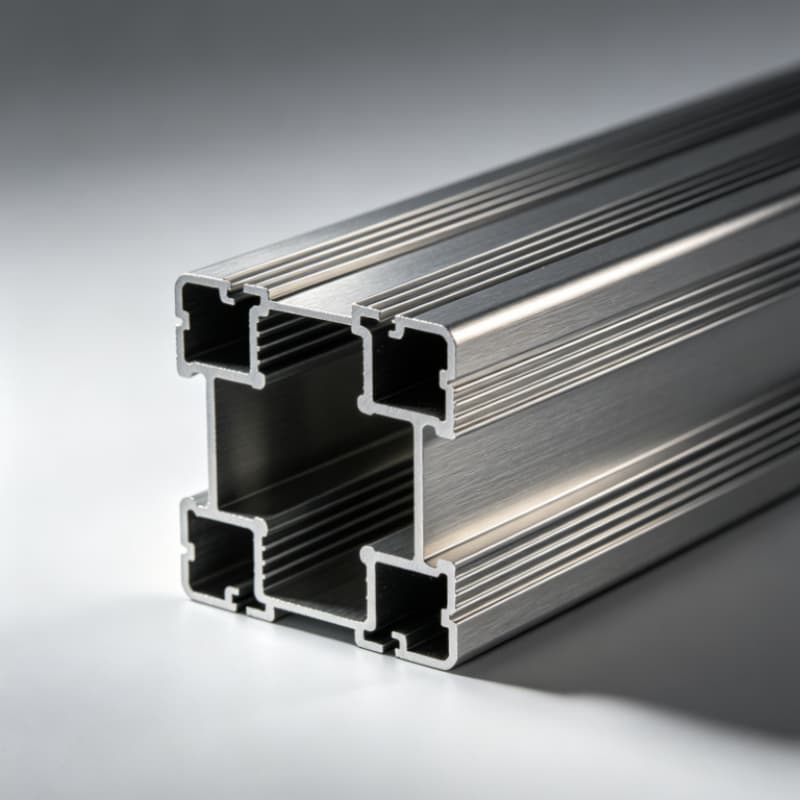
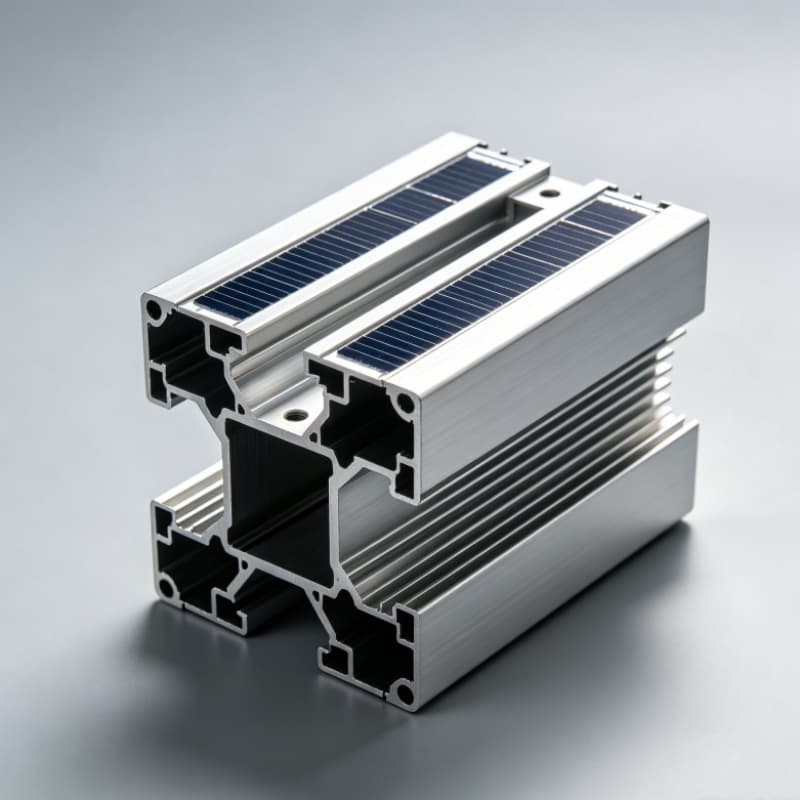
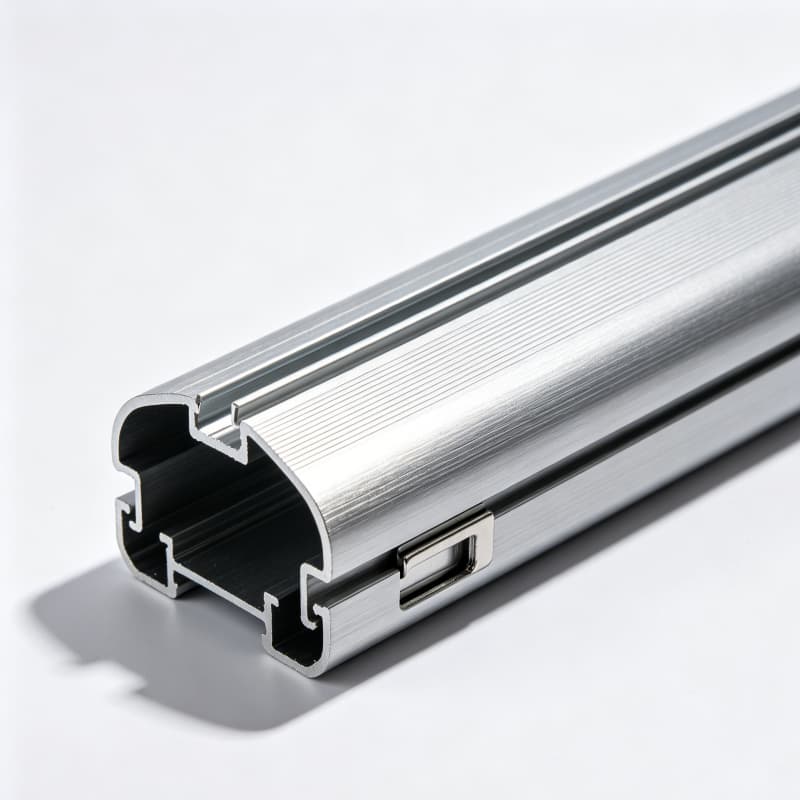
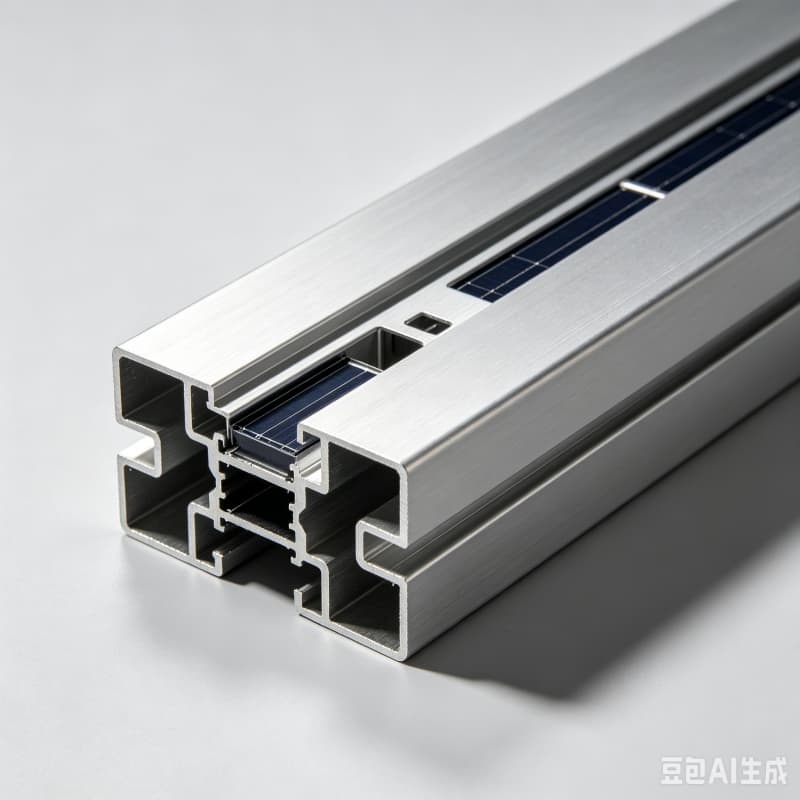
Aluminum offers a lower total cost of ownership for solar installations. Its combination of lightweight, corrosion resistance, thermal compatibility, and 25+ year service life ensures that your PV system performs reliably for decades. By choosing our solar aluminum profiles, you invest in durability, efficiency, and sustainability.



Leave A Message
Scan to Wechat :


 Product categories