Aluminum vs. Steel – Why Industrial Aluminum Profiles Are the Smart Choice for Manufacturing
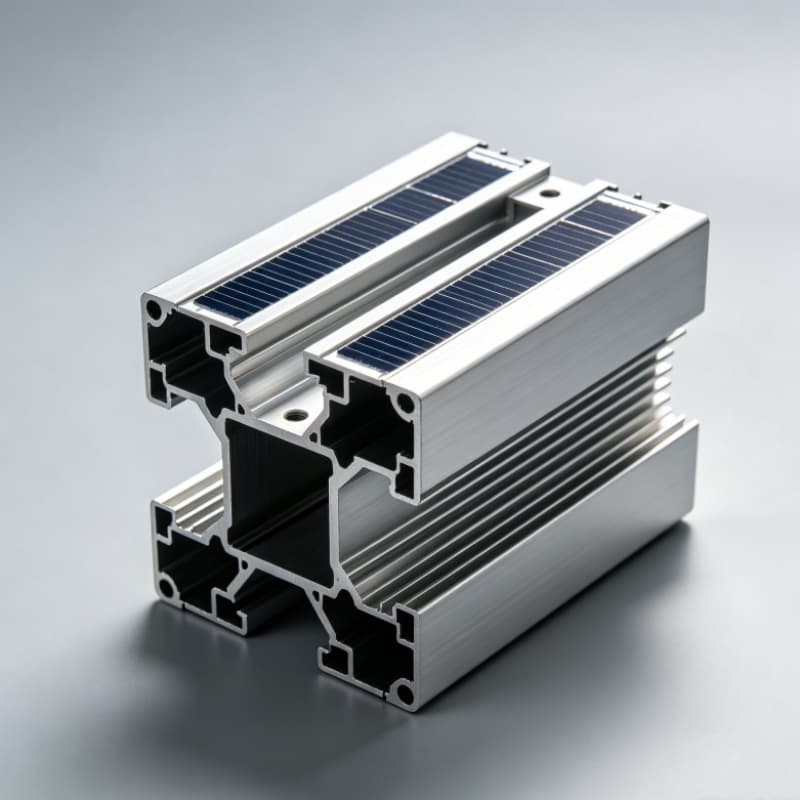
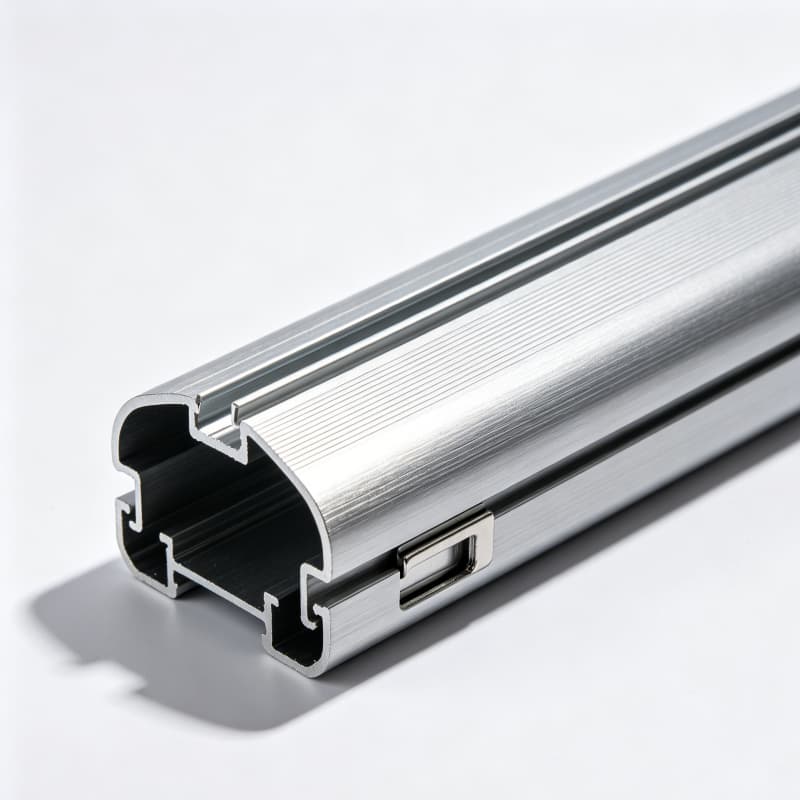
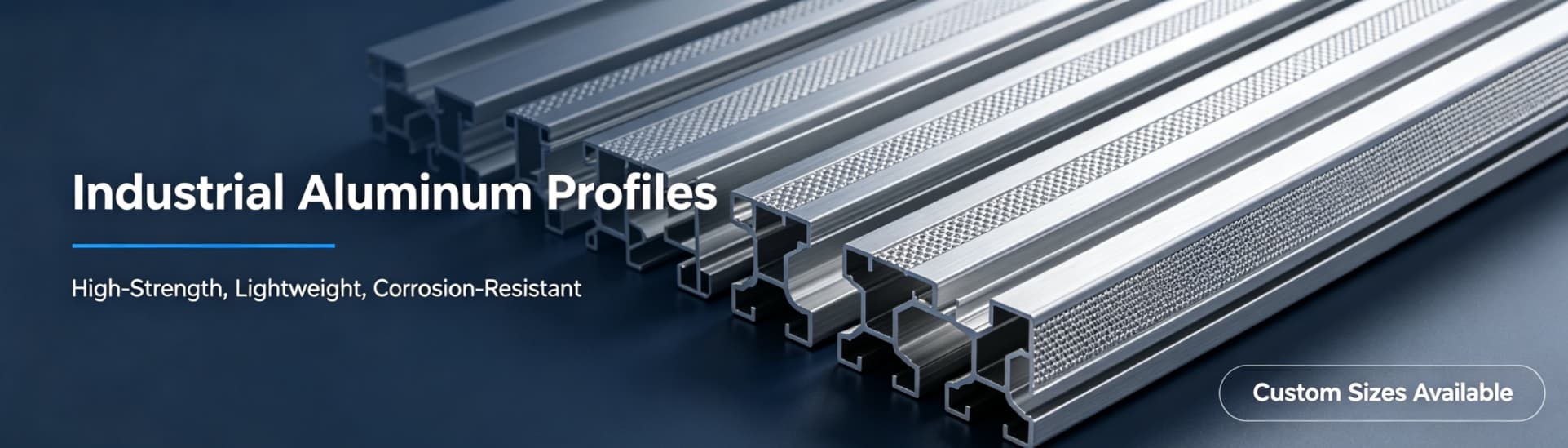
When designing industrial structures, the material choice directly impacts cost, installation speed, adaptability, and long-term maintenance. While steel has traditionally dominated structural applications, industrial aluminum profiles offer distinct advantages that make them the preferred solution for modern manufacturing environments.
Aluminum vs. Steel – Key Comparisons:
Characteristic Aluminum Profiles Steel Structures
Weight Lightweight (2.7g/cm³) – ~60% lighter than steel Heavy – requires heavier foundations and lifting equipment
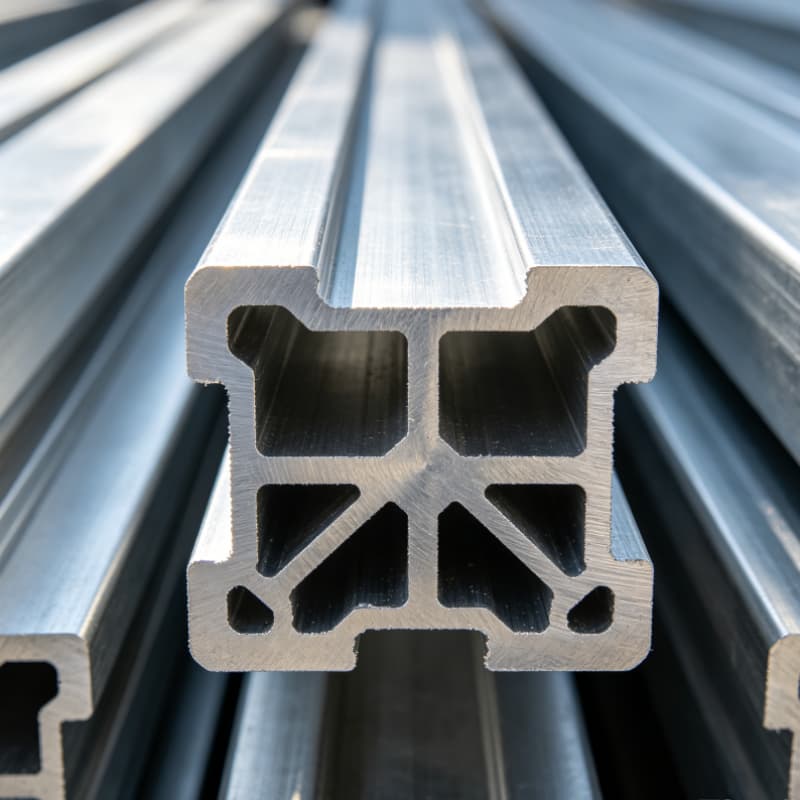
Assembly Modular slot system – no welding required; tool-free assembly with standard connectors Requires welding, bolting, or cutting – specialized labor and equipment needed
Assembly Time Up to 50% faster compared to conventional steel structures Slower – welding and fabrication add significant time
Corrosion Resistance Naturally forms protective oxide layer; enhanced by anodizing/powder coating Requires galvanization or paint; corrosion at cut edges is a concern
Modification/Flexibility Easily modified, expanded, or relocated – reusable components Difficult to modify once welded; changes require cutting and rewelding
Recyclability 100% recyclable; recycling uses only 3% of primary production energy Recyclable but with higher energy requirements
Long-Term Cost Lower total cost of ownership – faster installation, minimal maintenance, reusable Higher long-term costs – maintenance, painting, and limited reusability
The Advantage:
Industrial aluminum profiles significantly reduce assembly time, eliminate the need for costly welding equipment and specialized labor, and provide unmatched flexibility for evolving production environments. The modular design allows structures to be easily reconfigured or expanded as operational needs change, protecting your capital investment over the long term.



Leave A Message
Scan to Wechat :


 Product categories